Thursday, October 15, 2020

100-meter technique

Hi everyone. welcome back to my blog 😎 Today I want to share about 100-meter sprint technique

Basically, the 100-meter sprint is one of the most famous track and field events and the event for which the world or Olympic champion is awarded the world's fastest man title. The event is often perceived to be one where only those with raw talent are successful, but the fact is there are a lot of technique is involved.

Warm Up

It is important to warm up properly. This prepares the body for performance in several ways. A proper warm-up is dynamic and works to elevate heart rate, increase core body temperature increase blood flow to working muscles, stimulate the nervous system, improve joint mobility and improve the elastic and contractile properties of the muscles.

Block Set-up

Every athlete should know what their correct block settings are, because blocks set up incorrectly can hinder performance. The front foot should be about two foot lengths from the start line. The back foot should be placed at a toe to heel relationship with the front foot. The hands should be positioned with the thumb and index finger at the start line with arms shoulder-width apart. The hips should elevate higher than the shoulders when the starter says "set."

Start

The start is extremely important in the 100 meters. Few races are won at the start, but many races are lost there. Upon the start signal, the back leg should extend briefly and then come forward quickly to take the first step. The front leg should forcefully extend, propelling you forward. The hips should extend, continuing to push your body forward and upward.

Acceleration Phase

The acceleration phase is where you are building up speed. This is often the longest portion of the run. During the acceleration phase, focus on a large range of motion at the hip. Lift your knee up and forward powerfully with each step. You should contact the ground on the balls of your feet. Continue to push your body horizontally.

Maximum Velocity Phase

The maximum velocity phase is the portion of the sprint where you reach and maintain your top speed, and you should do so as long as possible. During the maximum velocity phase, your body will reach an upright position. Your legs should now be moving in cyclical pattern. You should keep your ankles dorsiflexed and focus on minimizing heel recovery time.

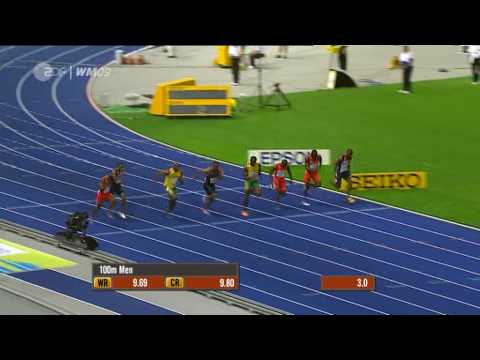
So, there are a few technique that I have shared to you guys. Hopefully, this technique can improve your sprint in this events. Here I attached a video which is a world record for 100-meter events that made by Usain Bolt (9.58s)


Source: Youtube

Saturday, July 4, 2020

What is Heatstroke?


What is Heatstroke?

Heatstroke is a condition caused by your body overheating, usually as a result of prolonged exposure to or physical exertion in high temperatures. This most serious form of heat injury, heatstroke, can occur if your body temperature rises to 104 F (40 C) or higher. The condition is most common in the summer months.

Heatstroke requires emergency treatment. Untreated heatstroke can quickly damage your brain, heart, kidneys and muscles. The damage worsens the longer treatment is delayed, increasing your risk of serious complications or death.

Symptoms of Heatstroke

Heatstroke signs and symptoms include:

  • High body temperature.
    •  A core body temperature of 104 F (40 C) or higher, obtained with a rectal thermometer, is the main sign of heatstroke.
  • Altered mental state or behavior. 
    • Confusion, agitation, slurred speech, irritability, delirium, seizures and coma can all result from heatstroke.
  • Alteration in sweating. 
    • In heatstroke brought on by hot weather, your skin will feel hot and dry to the touch. However, in heatstroke brought on by strenuous exercise, your skin may feel dry or slightly moist.
  • Nausea and vomiting. 
    • You may feel sick to your stomach or vomit.
  • Flushed skin. 
    • Your skin may turn red as your body temperature increases.
  • Rapid breathing. 
    • Your breathing may become rapid and shallow.
  • Racing heart rate. 
    • Your pulse may significantly increase because heat stress places a tremendous burden on your heart to help cool your body.
  • Headache. 
    • Your head may throb.

Causes of Heatstroke

Heatstroke can occur as a result of:

  • Exposure to a hot environment. In a type of heatstroke, called nonexertional (classic) heatstroke, being in a hot environment leads to a rise in core body temperature. This type of heatstroke typically occurs after exposure to hot, humid weather, especially for prolonged periods. It occurs most often in older adults and in people with chronic illness.
  • Strenuous activity. Exertional heatstroke is caused by an increase in core body temperature brought on by intense physical activity in hot weather. Anyone exercising or working in hot weather can get exertional heatstroke, but it's most likely to occur if you're not used to high temperatures.

Complications of Heatstroke

Heatstroke can result in a number of complications, depending on how long the body temperature is high. Severe complications include:

  • Vital organ damage. 
    • Without a quick response to lower body temperature, heatstroke can cause your brain or other vital organs to swell, possibly resulting in permanent damage.
  • Death. 
    • Without prompt and adequate treatment, heatstroke can be fatal.

Prevention of Heatstroke

Heatstroke is predictable and preventable. Take these steps to prevent heatstroke during hot weather:

  • Wear loose fitting, lightweight clothing. 
    • Wearing excess clothing or clothing that fits tightly won't allow your body to cool properly.
  • Protect against sunburn. 
    • Sunburn affects your body's ability to cool itself, so protect yourself outdoors with a wide-brimmed hat and sunglasses and use a broad-spectrum sunscreen with an SPF of at least 15. Apply sunscreen generously, and reapply every two hours  or more often if you're swimming or sweating.
  • Drink plenty of fluids. 
    • Staying hydrated will help your body sweat and maintain a normal body temperature.
  • Take extra precautions with certain medications. 
    • Be on the lookout for heat-related problems if you take medications that can affect your body's ability to stay hydrated and dissipate heat.
  • Never leave anyone in a parked car. 
    • This is a common cause of heat-related deaths in children. When parked in the sun, the temperature in your car can rise 20 degrees F (more than 6.7 C) in 10 minutes.


Thursday, July 2, 2020

What is Frostbite?


What is Frostbite?

Frostbite is an injury caused by freezing of the skin and underlying tissues. First your skin becomes very cold and red, then numb, hard and pale. Frostbite is most common on the fingers, toes, nose, ears, cheeks and chin. Exposed skin in cold, windy weather is most vulnerable to frostbite. But frostbite can occur on skin covered by gloves or other clothing.

Symptoms of Frostbite

Signs and symptoms of frostbite include:

    1)    At first, cold skin and a prickling feeling

    2)    Numbness

    3)    Red, white, bluish-white or grayish-yellow skin

    4)    Hard or waxy-looking skin

    5)    Clumsiness due to joint and muscle stiffness

    6)    Blistering after rewarming, in severe cases

Frostbite is most common on the fingers, toes, nose, ears, cheeks and chin. Because of skin numbness, you may not realize you have frostbite until someone else points it out.

Stages of Frostbite


Frostbite occurs in several stages:

  1. Frostnip. Frostnip is a mild form of frostbite. Continued exposure leads to numbness in the affected area. As your skin warms, you may feel pain and tingling. Frostnip doesn't permanently damage the skin.
  2. Superficial frostbite. Superficial frostbite appears as reddened skin that turns white or pale. Your skin may begin to feel warm — a sign of serious skin involvement. If you treat frostbite with rewarming at this stage, the surface of your skin may appear mottled. And you may notice stinging, burning and swelling. A fluid-filled blister may appear 12 to 36 hours after rewarming the skin.
  3. Deep (severe) frostbite. As frostbite progresses, it affects all layers of the skin, including the tissues that lie below. Your skin turns white or bluish gray and you may experience numbness, losing all sensation of cold, pain or discomfort in the affected area. Joints or muscles may no longer work. Large blisters form 24 to 48 hours after rewarming. Afterward, the area turns black and hard as the tissue dies.

Causes of Frostbite

Frostbite occurs when skin and underlying tissues freeze. The most common cause of frostbite is exposure to cold-weather conditions. But it can also be caused by direct contact with ice, frozen metal or very cold liquids.

Specific conditions that lead to frostbite include:

  •  Wearing clothing that isn't suitable for the conditions you're in — for example, it doesn't protect against cold, windy or wet weather or it's too tight.
  • Staying out in the cold and wind too long. Risk increases as air temperature falls below 5 F (minus 15 C), even with low wind speeds. In wind chill of minus 16.6 F (minus 27 C), frostbite can occur on exposed skin in less than 30 minutes.
  • Touching materials such as ice, cold packs or frozen metal.

How to prevent Frostbite?

Frostbite can be prevented. Here are tips to help you stay safe and warm.

  • Limit time you're outdoors in cold, wet or windy weather. Pay attention to weather forecasts and wind chill readings. In very cold, windy weather, exposed skin can develop frostbite in a matter of minutes.
  • Dress in several layers of loose, warm clothing. Air trapped between the layers of clothing acts as insulation against the cold. Wear windproof and waterproof outer garments to protect against wind, snow and rain. Choose undergarments that wick moisture away from your skin. Change out of wet clothing — particularly gloves, hats and socks — as soon as possible.
  • Wear a hat or headband that fully covers your ears. Heavy woolen or windproof materials make the best headwear for cold protection.
  • Wear mittens rather than gloves. Mittens provide better protection. Or try a thin pair of glove liners made of a wicking material (such as polypropylene) under a pair of heavier gloves or mittens.
  • Wear socks and sock liners that fit well, wick moisture and provide insulation. You might also try hand and foot warmers. Be sure the foot warmers don't make your boots too tight, restricting blood flow.
  • Watch for signs of frostbite. Early signs of frostbite include red or pale skin, prickling, and numbness. Seek warm shelter if you notice signs of frostbite.
  • Plan to protect yourself. When traveling in cold weather, carry emergency supplies and warm clothing in case you become stranded. If you'll be in remote territory, tell others your route and expected return date.
  • Eat well-balanced meals and stay hydrated. Doing this even before you go out in the cold will help you stay warm.
  • Keep moving. Exercise can get the blood flowing and help you stay warm, but don't do it to the point of exhaustion.

Tuesday, June 30, 2020

Top 10 Tips at Sunway Lagoon

Hi Everyone!!

Today I want to share to you about 10 tips at Sunway Lagoon.

Since I've been there with my friend, so I want to give a quick tips to help you plan your Best Day Ever at Sunway Lagoon. Everything you need to know in a single blog!

1.For anyone who is still confused about what time Sunway Lagoon opens. Well, we operate starting at 10am – 6pm. Come as EARLY as possible to get your money’s worth!

2. Another perk to come early is to catch the Welcome Dance great kick-start to your Best Day Ever! Be here at 9.50 a.m.

3. Most importantly, Grab a Quack Xpress especially on peak days (weekends & school/ public holidays). This amazing pass will let you beat the queue on 20 selected rides and attractions. For example, Pirate’s Revenge, Vuvuzela, Monsoon 360 and many more.

4. Outside foods are not allowed 🙁 However, there are up to 19 eateries across the park! Baby food or special medical needs are an exception, just bring your supporting documents and all will be fine!

5. I encourage you guys to wear proper swimming attire to enjoy the pools better. Appropriate swimming attire will help reduce the risk of contaminating the pool with waterborne illness and contaminants. It is for your safety too, as non-swimming materials can absorb a lot of water and can be heavier than swimming attires. Its’s important to stay safe and have fun!

Allowed attire

Not allowed attire

6. Remember to keep your belongings safe in the storage lockers available for you. Standard size lockers are RM25 and luggage size lockers are RM45.There are 4 lockers spots available i.e. Zulu Walk, Surf Beach, Nickelodeon Lost Lagoon and Fun Fair (Amusement Park).

7. If you have lost any item, report it to the staff at Customer Care. They will try their best to help you recover your lost item.

8. If you ever get hurt (God forbid) while having fun in the park, they have qualified first aiders to assist you. Kindly alert the nearest on-duty staff the first aid will be on their way.

9. End your day at Surf Beach to enjoy their shows and the amazing 8ft wave that splashes everyone in sight for numerous times starting at 4.30pm!


10. Last but not least, for car drivers, you can Waze or Google your way here. Ample parking space is available at both Sunway Pyramid Shopping Mall & Sunway Resort Hotel & Spa.

If you are using the public transport, you can either use the KTM to Subang Jaya and take a feeder bus to Sunway Pyramid stop or take the LRT to Kelana Jaya and take the feeder bus to Sunway Pyramid stop.


Hope this guide has been helpful! Share this blog to a friend who is coming to Sunway Lagoon.

Have fun and play safe!


Saturday, June 27, 2020

Skill Related Fitness

Hi and welcome back guys! Before this I had covered about the components of physical fitness which is health-related fitness. So, for today, I want to focus on another one which is skill-related fitness.

Skill-related fitness components are more relevant to certain athletes. For example, while everyone can benefit from daily walks, someone who hits the path just to get their heart pumping doesn't need to worry about developing the speed necessary to run a five-minute mile. Likewise, baseball players need to target all skill-related areas in order to perform at the highest levels. But weightlifters can get away with focusing most of their effort on power, balance, and strength.

So, there are six areas of skill related fitness which are agility, balance, coordination, power, reaction time and speed. Let’s learn more details about these areas.

Agility

Agility is the ability to move quickly and to easily change direction. Basketball players, for instance, are incredibly agile. They have to move in every direction, jumping, sliding and twisting in quick response to the movement of the ball and other players. Their bodies have to be trained to respond and change course at the drop of a hat.

Agility drills commonly involve exercises that develop foot speed and direction change, such as:

    1)    Ladder drills: Use an agility ladder to practice quick and specific foot placement.

    2)    Cone drills: Set up cones in a "T" or star shape, then sprint, slide, backpedal, or change                         direction depending on which cone you're approaching.

Balance

Gymnasts, yogis, skaters, and surfers all need highly refined balance skills to be able to participate in their sports. But these are not the only athletes who benefit from balance training.

Balance itself refers to your ability to adjust your body position to remain upright. It deals with proprioception, or knowing where your body is in space, and being able to make adjustments to your position as your center of gravity changes during movement.

Here are few sports where balance doesn't play an important role, and there are lots of activities where balance is required for enhanced performance and safety. Trail runners, for instance, benefit from balance training because it can help prevent them from rolling an ankle or taking a nasty fall after tripping over a root or slipping on a muddy path. To train your balance, try:

    1)    Standing on one foot

    2)    Standing yoga poses

    3)    BOSU ball workouts

    4)    Using balance discs to perform squats, lunges, and push-ups


Coordination

So many sports and activities require well-honed hand-eye (or foot-eye) coordination, including badminton, golf, soccer, basketball, football, racquetball, archery, softball, ultimate Frisbee, and more. All require you to be able to see an external object and respond precisely with your hands or feet to meet a pre-determined objective.

Think of hitting a golf ball off a tee, catching a fly ball, or blocking a shot on net in hockey or soccer. To improve your coordination, try exercises such as:

    1)    Playing catch

    2)    Jumping rope

    3)    Juggling

    4)    Dribbling a ball

    5)    Throwing objects at specific targets

Power

Power combines speed and strength. In essence, it's how fast you can generate a maximal force. In sports, "power athletes" are those who exert brute strength in short, all-out efforts, such as Olympic weightlifters, football players, and gymnasts.

But athletes in other sports, like basketball, volleyball, and tennis, can also benefit from developing greater power. Jumping to get a rebound requires leg power, while forcefully spiking a volleyball requires a combination of upper- and lower-body power.

Enhance your power by combining resistance and speed with fast-paced strength-training moves, such as:

    1)    Plyometric box jumps

    2)    Pushing a weighted sled while sprinting

    3)    Clean and jerk lifts

    4)    Kettlebell swings

Reaction time

Reaction time refers to how quickly you can respond to an external stimulus. Think about a tennis match for a moment: The best competitors react almost instantaneously when the ball comes off their opponent's racquet, sprinting toward the location where they expect the ball to bounce.

Reaction time hinges heavily on your mind-body connection. Your eyes see a stimulus, your mind interprets the stimulus, and your body reacts in accordance with that interpretation.

Much of this mind-body reaction relates to knowledge of the sport or activity in question. A professional tennis player can almost instantly interpret and predict the movement of a ball. This knowledge enables them to react more quickly (and accurately) to the stimulus.

On the other hand, a novice tennis player may see the ball coming off the opponent's racquet, but won't be able to interpret what they're seeing as quickly, causing their reaction time to slow. Reaction-time training tends to be sport-specific, but these activities can help:

    1)    Fielding a ball (softball, baseball)

    2)    Protecting the goal as other players try to score (soccer, hockey, lacrosse)

    3)    Tools such as lopsided reaction balls

    4)    Playing table tennis 

Speed

When you think of speed, you might think of an event like the 100-meter sprint. But speed, by nature, is relative. An elite 100-meter sprinter needs to be very, very fast, but only for about 10 seconds.

On the other hand, if a marathon runner wants to improve their speed to set a new personal best, they might aim to reduce their per-mile race pace from 10 minutes per mile to 9.5 minutes per mile—a speed they would have to maintain for a little over four hours.

These two fictional athletes train differently, but with a similar goal: become faster for their sports. So speed training will differ based on the sport you're training for. Regardless of sport, high-intensity interval training (HIIT) is one of the best ways to improve speed.

This training involves working at an all-out or near all-out effort for set periods of time, followed by set periods of rest. It repeatedly challenges your aerobic and anaerobic systems, teaching your muscles, heart, and lungs to grow accustomed to working at higher levels of intensity.

The length and intensity of the intervals you use will be longer or shorter, less challenging or more, depending on your sport. Runners can try HIIT speed drills like these:

     1)    For marathon training: Try mile repeats, a style of interval training where the runner goes all             out for a full mile before resting and doing it again.

    2)    For sprint training: Focus on shorter intervals. A sprinter would be better off performing                     shorter, more intense intervals ranging from 40- to 400-meters in length, running all-out, and                 then resting before repeating.

These same concepts apply whether you want to be faster in swimming, cycling, or even sports like soccer and basketball. Interval training featuring bouts of high-intensity exercise related to your specific sport can help you improve your speed.

So, that's all for today. Now you guys has know about the two components and the areas of physical fitness. I hope you guys will be a professional sport person one day. In shaa Allah. 😊


Wednesday, June 24, 2020

Health Related Fitness

Hi everyone, welcome back to my blog. Today I want to share to you some knowledge about components of physical fitness. Physical fitness can be defined as a set of characteristics that are either health-related or skill-related. It refers to your ability to perform physical tasks efficiently as it relates to a particular sport or your day-to-day activities. In addition to physical health, being physically fit helps improve your mental, emotional, and social health. So, for today, I just want to focus on health-related physical fitness.

There are five areas of health-related fitness. They are cardiovascular endurance, muscular strength, muscular endurance, flexibility, and body composition.


Cardiovascular endurance

Cardiovascular endurance is the ability to exercise the entire body for long periods of time. It requires a strong heart, healthy lungs, and clear blood vessels to supply the body with oxygen. Activities to improve fitness in this area include running, swimming and aerobic dance. A person must do the activity continuously for a minimum of 20 minutes within their target heart rate zone. Endurance/cardiovascular activity should be done a minimum of 3 days per week. Every other day is preferable. The mile or the pacer will measure fitness testing in this area.


Muscular Strength

Muscular Strength is the amount of force you can put forth with your muscles. It is often measured by how much weight you can lift. People with strength have fewer problems with backaches and can carry out their daily tasks efficiently. Examples of muscular strength include push-ups, weight lifting heavy weight with few repetitions, and pull-ups. Fitness testing will be measured by doing push-ups.


Muscular endurance

Muscular Endurance is the ability to use the muscles, which are attached to the bones, many times without getting tired. People with good muscular endurance are likely to have better posture, have fewer back problems, and be better able to resist fatigue than people who lack muscular endurance. You can improve muscular endurance by lifting weights with many repetitions or doing sit-ups. Measuring the number of sit-ups you can do correctly is used for fitness testing.


Flexibilty

Flexibility is the ability to use your joints fully. You are flexible when the muscles are long enough and the joints are free enough to allow movement. People with good flexibility have fewer sore and injured muscles. Stretching before and after activities will help to improve flexibility. The sit-and-reach and the trunk lift are two tests used to measure flexibility.


Body composition

Body Composition is the percentage of body weight that is fat compared to other body tissue, such as bone and muscle. People who have a high percentage of fat are more likely to be ill and have a higher death rate than lean people. Exercise and eating the right foods in the proper amounts can improve body composition. Body composition can be measured using an instrument called calipers, a specialized scale, or it can be calculated by using the body mass index (BMI) which uses height and weight to determine your BMI.

That’s all for today, I hope you guys enjoy reading my blog and gained some knowledge for today. Stay safe and happy workout guys 😙

Sunday, June 21, 2020

What is Interval Training?


What is Interval Training?

Interval training is catching on in a big way as people start to realise just how beneficial it really is. Before you really decide if this is a form of workout you should be including in your fitness routine, here’s what interval training is all about.

Interval training alternates short, high intensity bursts of activity with periods of rest and recovery in between. Interval training uses the body’s two energy-producing systems: the aerobic and the anaerobic.

The aerobic system is the one that allows you to walk or run for long distances and uses oxygen to convert carbohydrates throughout the body into energy. The anaerobic system, on the other hand, draws energy from carbohydrates stored in the muscles for short bursts of activity such as sprinting, jumping or lifting heavy objects.

In interval training, the high-intensity periods are typically at or close to anaerobic exercise, while the recovery periods may involve either complete rest or activity of lower intensity.

This allows you to work more in a shorter period of time and it's much more comfortable than spending the entire workout at a high intensity. The key is to create workouts that fit what you can handle and what you want from your workouts.


Benefits of Interval Training

Increased endurance

Interval training actually trains your heart to pump more blood to the muscles and it trains your muscles to extract that oxygen more efficiently, making all your other workouts easier to handle.

Faster and more efficient workouts

If you don't have much time, interval workouts are great timesavers, allowing you to get a lot done in a shorter period of time. If you want a workout that allows you to get in and out of the gym quickly, this is the form of workout to be burning to. You can easily complete the entire session in as short as 15-20 minutes.

Reduced risk of injury or overtraining

Because you vary the intensity of activity during your workout, you may be able to avoid injuries or overdoing it as compared with longer workouts.

Weight loss

Studies show that interval training, even at a moderate intensity, may burn more fat and will go on to burn plenty of calories after it’s completed as well.

Fun Factor

Interval workouts offer more variety than other workouts, making them less tedious and boring.


How to Do It

1.    Choose any cardio activity

This can work with any machine or activity - Running, cycling, walking, elliptical, jumping rope, kickboxing etc.

2.     Choose the length of your workout

This might be 10-20 minutes for beginners or 30-60 minutes for more advanced exercisers. Choose the length of your work or recovery intervals - If you're a beginner, you might want to alternate 1-2 minutes of higher intensity exercise with 5 or more minutes of lower intensity. The more advanced may make their work intervals longer (e.g., 10 minutes) and their recovery intervals shorter (e.g. 2 minutes).

3.     Warm Up and Cool Down

Start your workout with 5-10 minutes of warm up followed by your work and recovery intervals. Alternate each for the length of the workout. End with 5 minutes cool down and stretch.

Keep in mind that interval training is extremely demanding on the heart, lungs and muscles, and it's important to have the go ahead from your physician before you start interval training. You should also have a solid base of overall aerobic fitness before performing high intensity training of any kind.


DOs and DON'Ts

DOs

DO move faster. The faster you run, the more calories you’ll burn. Step it up during the higher intensity intervals and push yourself further. The interval will be over after a minute or two, and then you can slow down and have time to recover.

DO incorporate this type of training at least three times a week. If you’re new to the interval training scene, the only way to make it feel easier and to see quicker results is to make it regular.

DO warm-up before and cool down after your workout to allow your muscles to adjust accordingly and prevent any injuries.


DON'Ts

DON’T practice interval training on consecutive days. This type of training is intense and requires an adequate recovery period.

DON’T perform fat burning interval training on an empty stomach. You’ll need the energy to perform the workout. Try eating a banana an hour before.


Wednesday, June 17, 2020

What is Plyometric?

What is Plyometric?

Plyometric exercises are powerful aerobic exercises used to increase your speed, endurance, and strength. They require you to exert your muscles to their maximum potential in short periods of time.

Also known as jump training, plyometric exercises are usually geared toward highly trained athletes or people in peak physical condition. However, they can also be used by people wishing to improve their fitness.

Plyometric exercises can cause stress to the tendons, ligaments, and lower-extremity joints, especially the knees and ankles. It’s important that you have the strength and fitness level necessary to do these exercises safely and effectively.

If you’re adding plyometric exercises to your workout routine, work up to them gradually. Slowly increase the duration, difficulty, and intensity of the exercises.

Leg exercises

There are many plyometric exercises for the legs, including:

Squat jumps


  • Stand with your feet slightly wider than your hips.
  • Lower your body to squat down.
  • Press up through your feet, engage your abdominals, and jump up explosively.
  • Lift your arms overhead as you jump.
  • Upon landing, lower yourself back down to the squatting position.
  • Do 2 to 3 sets of 10 repetitions.

Reverse lunge knee-ups


  • Start in a standing lunge with your left foot forward.
  • Place your right hand on the floor next to your front foot and extend your left arm straight back.
  • Explosively jump up to bring your right knee up as high as you can, lifting your left arm and dropping your right arm back and down.
  • Upon landing, move back into the starting lunge position.
  • Continue for 30 seconds.
  • Then do the opposite side.

Upper body exercises

You can also do plyometric exercises that target your upper body muscles. Here are a couple:

Burpees


  • From standing, bend your legs to come into a squat position.
  • Place your hands down on the floor as you jump your feet back into a plank position, keeping your spine straight.
  • Lower your chest to the floor for one push-up.
  • Jump your feet forward to the outside of your hands, coming into a squat.
  • Explosively jump up and lift your arms overhead.
  • Do 2 to 3 sets of 8 to 12 repetitions.

Clapping push-ups


  • Start in a plank position.
  • Do a regular push-up by lowering your body down toward the floor.
  • As you press up, push hard enough to lift your hands and body as high off the ground as possible.
  • Clap your hands together.
  • Return to the starting position.
  • Continue for 30 seconds.

Exercises for runners

The following two exercises improve speed in runners by targeting the hamstrings and gluteal muscles.

Box jumps


For this exercise, you’ll need a box or something to jump on that’s 12 to 36 inches high. To increase the intensity, you can do the exercise using one leg.

  • From standing, squat down to jump onto the box with both feet.
  • Lift your arms up as you jump to gain momentum.
  • Jump up and backward off the box, gently landing with bent knees.
  • Do 2 to 3 sets of 8 to 12 repetitions.

Stairway hops


  • Start at the bottom of a staircase.
  • Hop up the stairs on your right leg.
  • Walk back down.
  • Then do the opposite side.

Benefits of the Plyometric

There are many benefits to doing plyometric exercises. Since they require little to no equipment, they can be done anytime, anywhere. Plyometric training increases muscle strength, which allows you to run faster, jump higher, and change direction quickly. They improve performance in any sport that involves running, jumping, or kicking.

In what’s known as the stretch-shortening cycle, concentric contractions (shortening the muscles) are followed by eccentric contractions (stretching the muscles). This provides excellent results in strengthening muscles while improving agility, stability, and balance. These combined benefits allow your muscles to work more quickly and efficiently.

Plyometrics tone the entire body, burn calories, and improve cardiovascular health. They also boost your stamina and metabolism.

Make sure you have the strength, flexibility, and mobility to perform these exercises, especially in your ankles, knees, and hips. Core, lower back, and leg strength are also important. Many plyometric exercises are full-body exercises. They help tone the body by engaging lots of different muscles. Connective tissue is strengthened and you can increase resiliency and elasticity.

Plyometrics can be used by nonathletes to promote general fitness, which can help you in your daily activities. It’s important that you do the exercises properly in order to gain the benefits and prevent injury. Using correct alignment and form can help prevent strain and injury. Always do them when you’re fresh and full of energy.


Sunday, June 14, 2020

What is Tabata Training?

Hi everyone, welcome to my blog😎

Today im gonna share to you guys some knowledge about physical activity. Have you guys heard about Tabata Training before this? I know most of you have heard about this. So, today I want to explain more about this Tabata Training.

The History of Tabata

Tabata training was discovered by Japanese scientist Dr. Izumi Tabata and a team of researchers from the National Institute of Fitness and Sports in Tokyo.

Tabata and his team conducted research on two groups of athletes. The first group trained at a moderate intensity level while the second group trained at a high-intensity level. The moderate intensity group worked out five days a week for a total of six weeks; each workout lasted one hour. The high-intensity group worked out four days a week for six weeks; each workout lasted four minutes and 20 seconds (with 10 seconds of rest in between each set).

As a result, Group 1 had increased their aerobic system (cardiovascular), but showed little or no results for their anaerobic system (muscle) while for the Group 2 showed much more increase in their aerobic system than Group 1, and increased their anaerobic system by 28 percent.

In conclusion, high-intensity interval training has more impact on both the aerobic and anaerobic systems.

The Tabata Program

Each exercise in a given Tabata workout lasts only four minutes, but it's likely to be one of the longest four minutes you've ever endured. The structure of the program is as follows:

·        Work out hard for 20 seconds

·        Rest for 10 seconds

·        Complete 8 rounds

You push yourself as hard as you can for 20 seconds and rest for 10 seconds. This is one set. You'll complete eight sets of each exercise. 

You can do pretty much any exercise you wish. You can do squats, push-ups, burpees or any other exercise that works your large muscle groups. Kettlebell exercises work great, too.

An example of a Tabata workout looks like this:

  •  Push-ups (4 minutes)
  • Bodyweight Squats (4 minutes)
  • Burpees (4 minutes)
  • Mountain Climbers (4 minutes)

Start with push-ups. Perform them for 20 seconds at a high-intensity. Rest for 10 seconds, and then go back to doing push-ups for 20 seconds. Once you complete eight sets of push-ups, rest for one minute.

Next, move on to squats and repeat the sequence of 20 seconds on, 10 seconds off. Once you finish eight sets of squats, rest for one minute, and then do burpees. After burpees, finish the workout with mountain climbers.

Tabata is great to get a quick workout in if you're short on time, you need to switch up your routine, or you want improve endurance and speed. Incorporate this type of workout into your fitness routine and produce results.

Here are the samples video for the beginner. You guys can watch and apply it at your home. Good luck and let’s get fit together.💪


Wednesday, June 10, 2020

10 tips to lose weight

Hi everyone, how are you? I hope you guys are doing well. Today Im gonna share to you guys some tips to help you lose weight. So, are you guys ready? Let’s go !!!

Here are the 10 tips that can help you guys to lose weight 👇

1. Do not skip breakfast

Skipping breakfast will not help you lose weight. You could miss out on essential nutrients and you may end up snacking more throughout the day because you feel hungry.

2. Eat regular meals

Eating at regular times during the day helps burn calories at a faster rate. It also reduces the temptation to snack on foods high in fat and sugar.

3. Eat plenty of fruit and vegetable

Fruit and veg are low in calories and fat, and high in fibre and 3 essential ingredients for successful weight loss. They also contain plenty of vitamins and minerals.

4. Get more active

Being active is key to losing weight and keeping it off. As well as providing lots of health benefits, exercise can help burn off the excess calories you cannot lose through diet alone.

5. Drink plenty of water

People sometimes confuse thirst with hunger. You can end up consuming extra calories when a glass of water is really what you need.

6. Eat high fibre foods

Foods containing lots of fibre can help keep you feeling full, which is perfect for losing weight. Fibre is only found in food from plants, such as fruit and veg, oats, wholegrain bread, brown rice and pasta, and beans, peas and lentils.

7. Read food labels

Knowing how to read food labels can help you choose healthier options. Use the calorie information to work out how a particular food fits into your daily calorie allowance on the weight loss plan.

8. Use a smaller plate

Using smaller plates can help you eat smaller portions. By using smaller plates and bowls, you may be able to gradually get used to eating smaller portions without going hungry. It takes about 20 minutes for the stomach to tell the brain it's full, so eat slowly and stop eating before you feel full.

9. Do not stock junk food

To avoid temptation, do not stock junk food such as chocolate, biscuits, crisps and sweet fizzy drinks at home. Instead, for healthy snacks, such as fruit, unsalted rice cakes, oat cakes, unsalted or unsweetened popcorn, and fruit juice.

10. Plan your meals

Try to plan your breakfast, lunch, dinner and snacks for the week, making sure you stick to your calorie allowance. You may find it helpful to make a weekly shopping list.


So, there are 10 tips that I can share for you guys to lose your weight. Start from now on, lets apply it as our daily routine and target to get an ideal weight. 💪


Tuesday, May 12, 2020

3 Tips to Stay Healthy During Ramadhan

During Ramadan, Muslims abstain from food and drink from dawn to dusk. It is important to get proper nourishment between iftar and suhoor in order to be prepared for the next day of fasting. Healthy habits during the holy month are also important in order to avoid gaining weight. So, for today, I have outline a few simple tips to help you stay fit while fasting.

1) Stay hydrated

The amount of fluids a person needs depends on age, gender, climate and activity level.

·        Adults, on average, need 2-3 liters of water each day. So make sure to drink plenty of fluids before the start of the fasting hours. Unsweetened juices or milk are tasty, low calorie alternatives.

·        The caffeine in coffee, tea and soda causes increased urination, so it is best to limit these drinks during the non-fasting hours.

·        Start meals with broths, soups or stews. Fruits and vegetables such as watermelon, squash or spinach are mostly water and can also help to replace fluids.


Why is this important?

It is because the human body is about 60% water. It is vital for bodily functions, including metabolizing and transporting nutrients throughout the body and removing waste. The amount of water in the body fluctuates and it is lost through urine and sweat and regained from food and drinks. It is not unusual to become periodically dehydrated while fasting. Dehydration can result in weight loss that is quickly regained when normal eating and drinking habits resume.

2) Choose healthy options

Hunger tempts us to indulge or eat fast, convenient foods. Highly processed foods are high in salt, sugar and unhealthy fats, which won’t last long and can increase thirst

·        Try a handful of roasted nuts instead of ready-to-eat foods such as crackers or biscuits.

·        Choose whole grains instead of white bread, enriched pasta and sugary cereals. The energy of these simple carbohydrates is broken down and used too quickly.

·        If you cannot get fresh or frozen vegetables, find cans with “low sodium” labels. 

·        Choose foods that have been grilled, baked or steamed instead of fried.

·        Enjoy traditional iftar desserts in small portions. Fruit is a healthy alternative because the natural sugars will satisfy your sweet tooth.


Why is this important?

The body’s ability to process carbohydrates and fats peaks at certain times of the day. Food eaten outside of this window isn’t broken down as efficiently, which can lead to weight gain. If you aren’t eating at the usual times, it is important to choose wisely.

3) Eat, rest and exercise strategically

Planning your activities and meals after breaking your fast will help to refuel you and prepare you for the next day of fasting.

·        Rest is important, but be sure to stay awake long enough to replenish the fluids and nutrients your body needs.

·        Eat balanced meals including: bread, cereals and other grains; fruits and vegetables; meat, fish and poultry; milk, yogurt or cheese; and healthy fats.

·        Focus on foods that are digested slowly and release energy over time. These include food that are high in fiber (e.g. whole grains, fruits and vegetables) and foods containing complex carbohydrates (wheat, beans, rice, etc.).

·        It is important to stay active too. Find time to take a walk or do some gentle stretching.


So, I hope you guys can follow my tips and stay healthy.

Thank you and happy fasting guys!!

100-meter technique