Wednesday, June 17, 2020

What is Plyometric?

What is Plyometric?

Plyometric exercises are powerful aerobic exercises used to increase your speed, endurance, and strength. They require you to exert your muscles to their maximum potential in short periods of time.

Also known as jump training, plyometric exercises are usually geared toward highly trained athletes or people in peak physical condition. However, they can also be used by people wishing to improve their fitness.

Plyometric exercises can cause stress to the tendons, ligaments, and lower-extremity joints, especially the knees and ankles. It’s important that you have the strength and fitness level necessary to do these exercises safely and effectively.

If you’re adding plyometric exercises to your workout routine, work up to them gradually. Slowly increase the duration, difficulty, and intensity of the exercises.

Leg exercises

There are many plyometric exercises for the legs, including:

Squat jumps


  • Stand with your feet slightly wider than your hips.
  • Lower your body to squat down.
  • Press up through your feet, engage your abdominals, and jump up explosively.
  • Lift your arms overhead as you jump.
  • Upon landing, lower yourself back down to the squatting position.
  • Do 2 to 3 sets of 10 repetitions.

Reverse lunge knee-ups


  • Start in a standing lunge with your left foot forward.
  • Place your right hand on the floor next to your front foot and extend your left arm straight back.
  • Explosively jump up to bring your right knee up as high as you can, lifting your left arm and dropping your right arm back and down.
  • Upon landing, move back into the starting lunge position.
  • Continue for 30 seconds.
  • Then do the opposite side.

Upper body exercises

You can also do plyometric exercises that target your upper body muscles. Here are a couple:

Burpees


  • From standing, bend your legs to come into a squat position.
  • Place your hands down on the floor as you jump your feet back into a plank position, keeping your spine straight.
  • Lower your chest to the floor for one push-up.
  • Jump your feet forward to the outside of your hands, coming into a squat.
  • Explosively jump up and lift your arms overhead.
  • Do 2 to 3 sets of 8 to 12 repetitions.

Clapping push-ups


  • Start in a plank position.
  • Do a regular push-up by lowering your body down toward the floor.
  • As you press up, push hard enough to lift your hands and body as high off the ground as possible.
  • Clap your hands together.
  • Return to the starting position.
  • Continue for 30 seconds.

Exercises for runners

The following two exercises improve speed in runners by targeting the hamstrings and gluteal muscles.

Box jumps


For this exercise, you’ll need a box or something to jump on that’s 12 to 36 inches high. To increase the intensity, you can do the exercise using one leg.

  • From standing, squat down to jump onto the box with both feet.
  • Lift your arms up as you jump to gain momentum.
  • Jump up and backward off the box, gently landing with bent knees.
  • Do 2 to 3 sets of 8 to 12 repetitions.

Stairway hops


  • Start at the bottom of a staircase.
  • Hop up the stairs on your right leg.
  • Walk back down.
  • Then do the opposite side.

Benefits of the Plyometric

There are many benefits to doing plyometric exercises. Since they require little to no equipment, they can be done anytime, anywhere. Plyometric training increases muscle strength, which allows you to run faster, jump higher, and change direction quickly. They improve performance in any sport that involves running, jumping, or kicking.

In what’s known as the stretch-shortening cycle, concentric contractions (shortening the muscles) are followed by eccentric contractions (stretching the muscles). This provides excellent results in strengthening muscles while improving agility, stability, and balance. These combined benefits allow your muscles to work more quickly and efficiently.

Plyometrics tone the entire body, burn calories, and improve cardiovascular health. They also boost your stamina and metabolism.

Make sure you have the strength, flexibility, and mobility to perform these exercises, especially in your ankles, knees, and hips. Core, lower back, and leg strength are also important. Many plyometric exercises are full-body exercises. They help tone the body by engaging lots of different muscles. Connective tissue is strengthened and you can increase resiliency and elasticity.

Plyometrics can be used by nonathletes to promote general fitness, which can help you in your daily activities. It’s important that you do the exercises properly in order to gain the benefits and prevent injury. Using correct alignment and form can help prevent strain and injury. Always do them when you’re fresh and full of energy.


Sunday, June 14, 2020

What is Tabata Training?

Hi everyone, welcome to my blog😎

Today im gonna share to you guys some knowledge about physical activity. Have you guys heard about Tabata Training before this? I know most of you have heard about this. So, today I want to explain more about this Tabata Training.

The History of Tabata

Tabata training was discovered by Japanese scientist Dr. Izumi Tabata and a team of researchers from the National Institute of Fitness and Sports in Tokyo.

Tabata and his team conducted research on two groups of athletes. The first group trained at a moderate intensity level while the second group trained at a high-intensity level. The moderate intensity group worked out five days a week for a total of six weeks; each workout lasted one hour. The high-intensity group worked out four days a week for six weeks; each workout lasted four minutes and 20 seconds (with 10 seconds of rest in between each set).

As a result, Group 1 had increased their aerobic system (cardiovascular), but showed little or no results for their anaerobic system (muscle) while for the Group 2 showed much more increase in their aerobic system than Group 1, and increased their anaerobic system by 28 percent.

In conclusion, high-intensity interval training has more impact on both the aerobic and anaerobic systems.

The Tabata Program

Each exercise in a given Tabata workout lasts only four minutes, but it's likely to be one of the longest four minutes you've ever endured. The structure of the program is as follows:

·        Work out hard for 20 seconds

·        Rest for 10 seconds

·        Complete 8 rounds

You push yourself as hard as you can for 20 seconds and rest for 10 seconds. This is one set. You'll complete eight sets of each exercise. 

You can do pretty much any exercise you wish. You can do squats, push-ups, burpees or any other exercise that works your large muscle groups. Kettlebell exercises work great, too.

An example of a Tabata workout looks like this:

  •  Push-ups (4 minutes)
  • Bodyweight Squats (4 minutes)
  • Burpees (4 minutes)
  • Mountain Climbers (4 minutes)

Start with push-ups. Perform them for 20 seconds at a high-intensity. Rest for 10 seconds, and then go back to doing push-ups for 20 seconds. Once you complete eight sets of push-ups, rest for one minute.

Next, move on to squats and repeat the sequence of 20 seconds on, 10 seconds off. Once you finish eight sets of squats, rest for one minute, and then do burpees. After burpees, finish the workout with mountain climbers.

Tabata is great to get a quick workout in if you're short on time, you need to switch up your routine, or you want improve endurance and speed. Incorporate this type of workout into your fitness routine and produce results.

Here are the samples video for the beginner. You guys can watch and apply it at your home. Good luck and let’s get fit together.💪


Wednesday, June 10, 2020

10 tips to lose weight

Hi everyone, how are you? I hope you guys are doing well. Today Im gonna share to you guys some tips to help you lose weight. So, are you guys ready? Let’s go !!!

Here are the 10 tips that can help you guys to lose weight 👇

1. Do not skip breakfast

Skipping breakfast will not help you lose weight. You could miss out on essential nutrients and you may end up snacking more throughout the day because you feel hungry.

2. Eat regular meals

Eating at regular times during the day helps burn calories at a faster rate. It also reduces the temptation to snack on foods high in fat and sugar.

3. Eat plenty of fruit and vegetable

Fruit and veg are low in calories and fat, and high in fibre and 3 essential ingredients for successful weight loss. They also contain plenty of vitamins and minerals.

4. Get more active

Being active is key to losing weight and keeping it off. As well as providing lots of health benefits, exercise can help burn off the excess calories you cannot lose through diet alone.

5. Drink plenty of water

People sometimes confuse thirst with hunger. You can end up consuming extra calories when a glass of water is really what you need.

6. Eat high fibre foods

Foods containing lots of fibre can help keep you feeling full, which is perfect for losing weight. Fibre is only found in food from plants, such as fruit and veg, oats, wholegrain bread, brown rice and pasta, and beans, peas and lentils.

7. Read food labels

Knowing how to read food labels can help you choose healthier options. Use the calorie information to work out how a particular food fits into your daily calorie allowance on the weight loss plan.

8. Use a smaller plate

Using smaller plates can help you eat smaller portions. By using smaller plates and bowls, you may be able to gradually get used to eating smaller portions without going hungry. It takes about 20 minutes for the stomach to tell the brain it's full, so eat slowly and stop eating before you feel full.

9. Do not stock junk food

To avoid temptation, do not stock junk food such as chocolate, biscuits, crisps and sweet fizzy drinks at home. Instead, for healthy snacks, such as fruit, unsalted rice cakes, oat cakes, unsalted or unsweetened popcorn, and fruit juice.

10. Plan your meals

Try to plan your breakfast, lunch, dinner and snacks for the week, making sure you stick to your calorie allowance. You may find it helpful to make a weekly shopping list.


So, there are 10 tips that I can share for you guys to lose your weight. Start from now on, lets apply it as our daily routine and target to get an ideal weight. 💪


Tuesday, May 12, 2020

3 Tips to Stay Healthy During Ramadhan

During Ramadan, Muslims abstain from food and drink from dawn to dusk. It is important to get proper nourishment between iftar and suhoor in order to be prepared for the next day of fasting. Healthy habits during the holy month are also important in order to avoid gaining weight. So, for today, I have outline a few simple tips to help you stay fit while fasting.

1) Stay hydrated

The amount of fluids a person needs depends on age, gender, climate and activity level.

·        Adults, on average, need 2-3 liters of water each day. So make sure to drink plenty of fluids before the start of the fasting hours. Unsweetened juices or milk are tasty, low calorie alternatives.

·        The caffeine in coffee, tea and soda causes increased urination, so it is best to limit these drinks during the non-fasting hours.

·        Start meals with broths, soups or stews. Fruits and vegetables such as watermelon, squash or spinach are mostly water and can also help to replace fluids.


Why is this important?

It is because the human body is about 60% water. It is vital for bodily functions, including metabolizing and transporting nutrients throughout the body and removing waste. The amount of water in the body fluctuates and it is lost through urine and sweat and regained from food and drinks. It is not unusual to become periodically dehydrated while fasting. Dehydration can result in weight loss that is quickly regained when normal eating and drinking habits resume.

2) Choose healthy options

Hunger tempts us to indulge or eat fast, convenient foods. Highly processed foods are high in salt, sugar and unhealthy fats, which won’t last long and can increase thirst

·        Try a handful of roasted nuts instead of ready-to-eat foods such as crackers or biscuits.

·        Choose whole grains instead of white bread, enriched pasta and sugary cereals. The energy of these simple carbohydrates is broken down and used too quickly.

·        If you cannot get fresh or frozen vegetables, find cans with “low sodium” labels. 

·        Choose foods that have been grilled, baked or steamed instead of fried.

·        Enjoy traditional iftar desserts in small portions. Fruit is a healthy alternative because the natural sugars will satisfy your sweet tooth.


Why is this important?

The body’s ability to process carbohydrates and fats peaks at certain times of the day. Food eaten outside of this window isn’t broken down as efficiently, which can lead to weight gain. If you aren’t eating at the usual times, it is important to choose wisely.

3) Eat, rest and exercise strategically

Planning your activities and meals after breaking your fast will help to refuel you and prepare you for the next day of fasting.

·        Rest is important, but be sure to stay awake long enough to replenish the fluids and nutrients your body needs.

·        Eat balanced meals including: bread, cereals and other grains; fruits and vegetables; meat, fish and poultry; milk, yogurt or cheese; and healthy fats.

·        Focus on foods that are digested slowly and release energy over time. These include food that are high in fiber (e.g. whole grains, fruits and vegetables) and foods containing complex carbohydrates (wheat, beans, rice, etc.).

·        It is important to stay active too. Find time to take a walk or do some gentle stretching.


So, I hope you guys can follow my tips and stay healthy.

Thank you and happy fasting guys!!

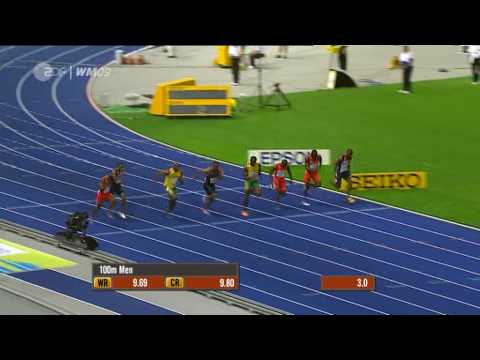
100-meter technique